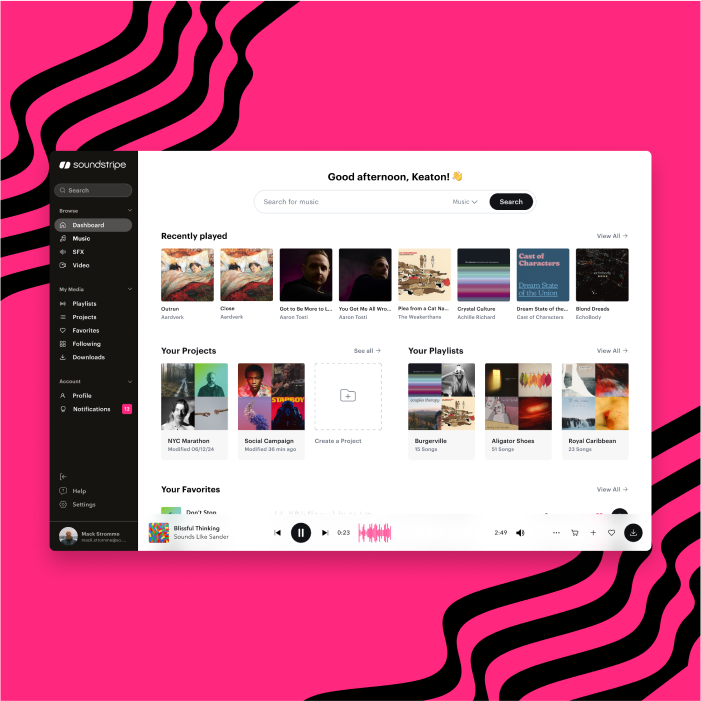
Lead product designer with a track record of building products, teams, and the systems that hold all of it together at scale. Currently a Staff Designer at Soundstripe. Previously Creative Director at Riff Creative.





"Mack's effortless creativity and contagious positive outlook makes work more like play, and the outcomes more meaningful."

"Mack is a leader who brings teams together, guiding both creative and strategic decisions to drive meaningful impact."

"A creative professional who can move through challenges and ambiguity with curiosity and ease."

"He led with thought, intention, and most importantly, kindness."

"Mack leveraged his role as my Creative Director to nurture my own creative ideas."

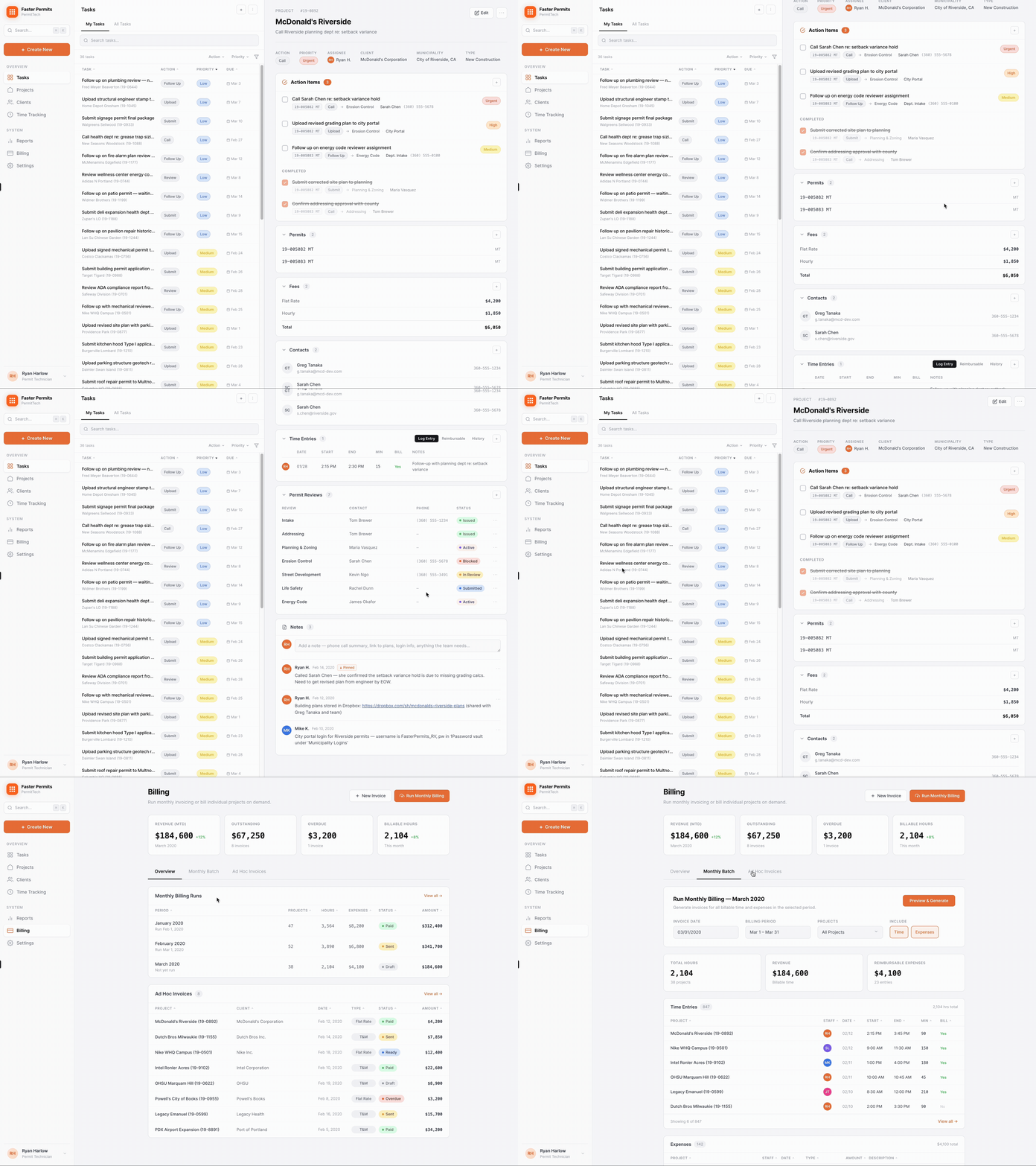
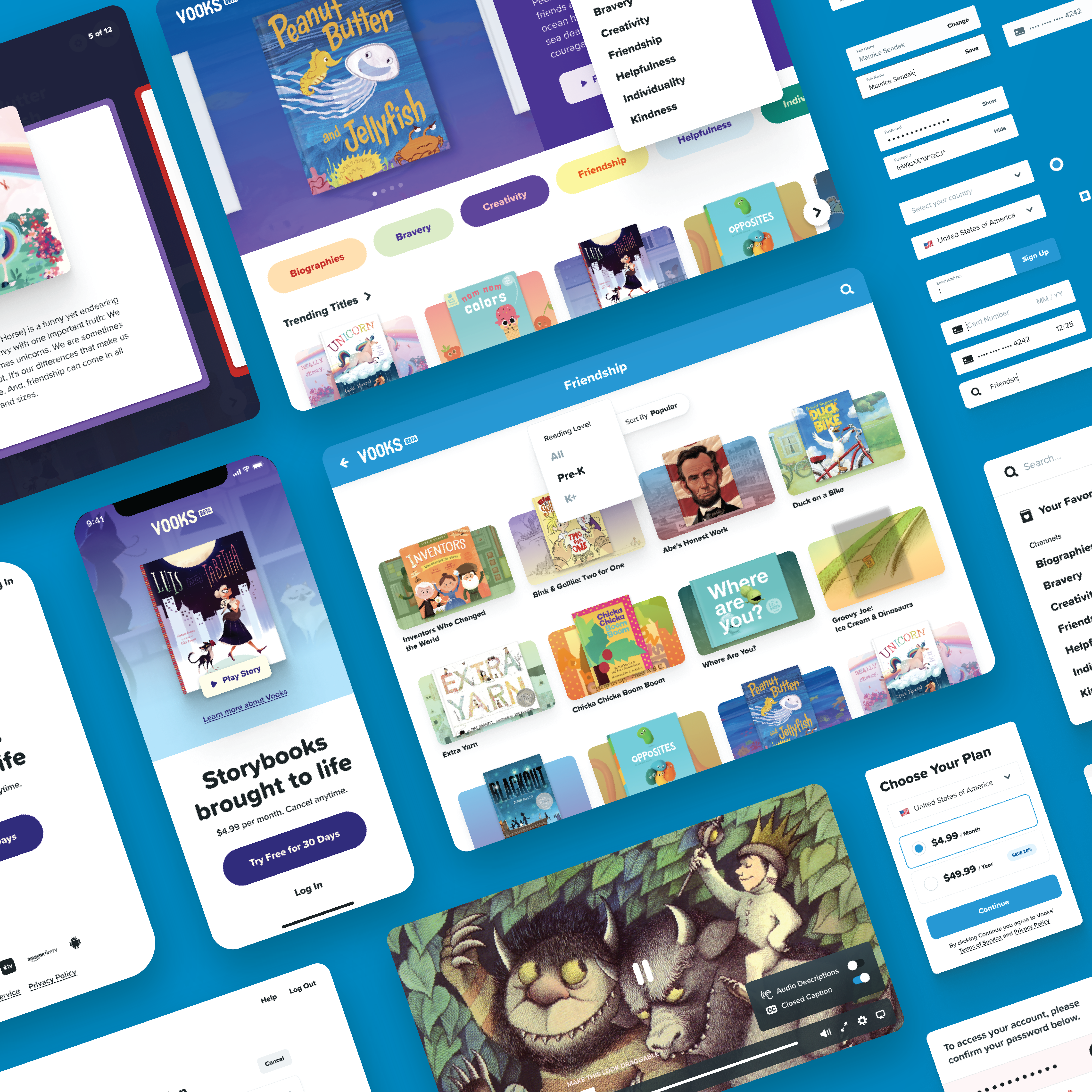
Replacing a legacy desktop database with a real-time operations platform.
Stances I've learned from being wrong first.
Taste can be mimicked. Craft can be automated. What can't be replicated is the ability to frame the right problem, ask the question nobody asked, and stay a student no matter how senior you get.
Taste isn't magic. It's pattern recognition built from exposure, experience, and a willingness to be wrong. When someone says "it's subjective," what they usually mean is "I don't have the language yet." My job is to close that gap.
The most expensive design work is work done in the wrong direction. Before I push pixels I push back on the problem — is this the right thing to build? For whom? Toward what outcome?
Bad briefs, too many opinions, unclear ownership — these kill good work long before it reaches the designer. The best creative leaders aren't producers — they're reducers. Remove the noise, protect the focus, and the work takes care of itself.
Sharing work before it's ready, narrating your thinking out loud, inviting friction early — this is what separates designers who influence organizations from designers who execute in a corner. The ability to make your process legible to non-designers is one of the most undervalued skills in the field.
Your job isn't to be the best designer in the room — it's to make the room better. When the quality of the work doesn't depend on you being in every meeting, that's not a sign you're not needed. That's the whole point.